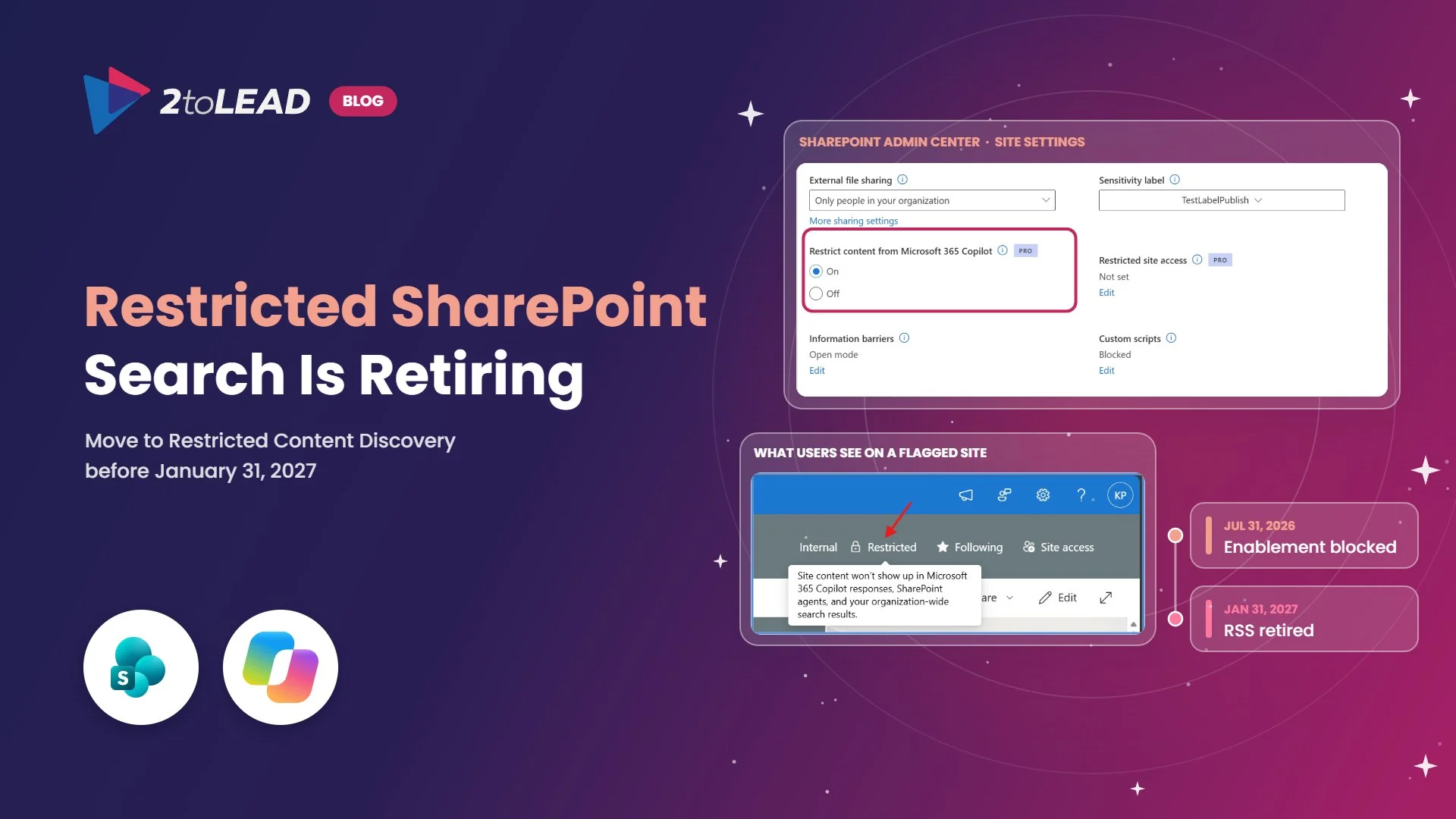
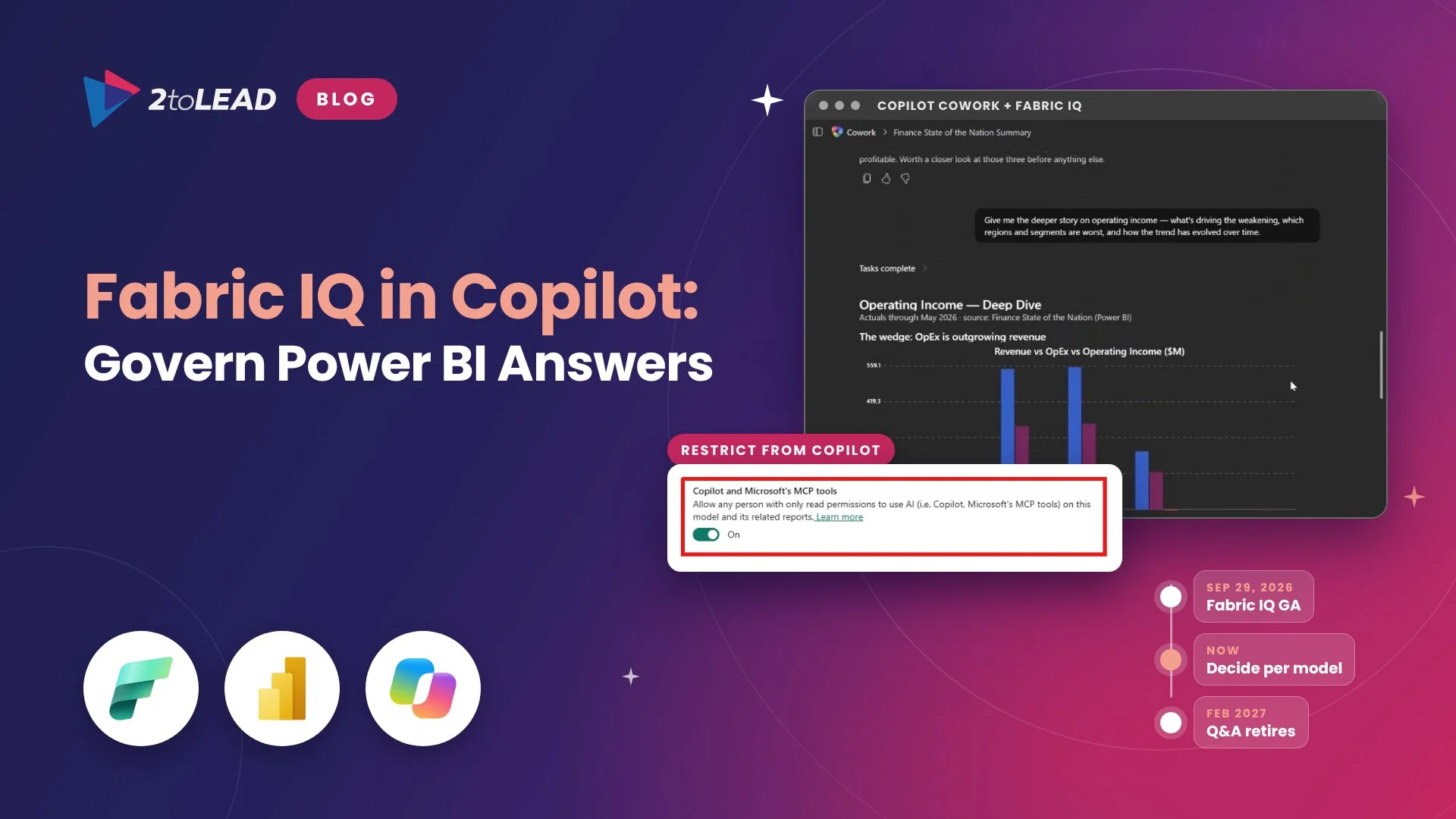
SharePoint Online is retiring classic records, DLP, IRM and eDiscovery features in favor of Microsoft Purview. See what changes, the risks and first steps.
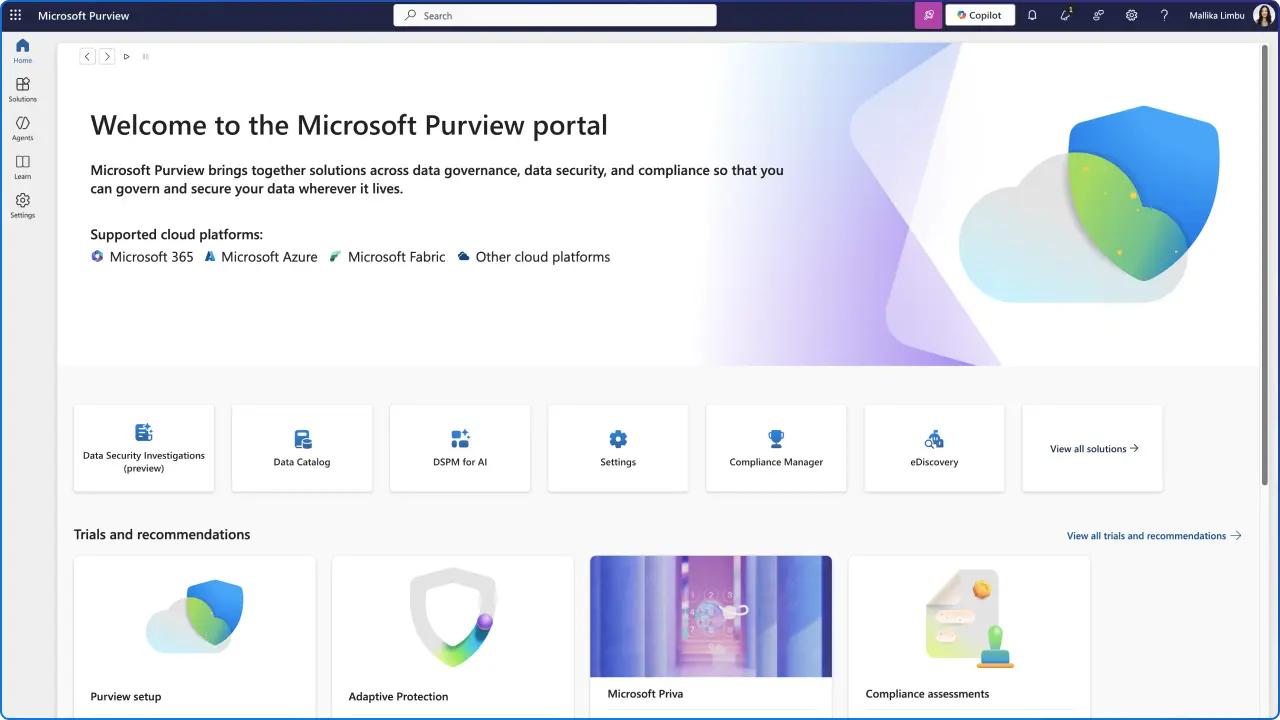
Microsoft is retiring several classic SharePoint extensibility and compliance experiences. These retirement changes mark a shift away from classic, site‑centric governance toward Microsoft Purview as the control plane for lifecycle, protection, and compliance. Organizations should plan to move from legacy records/DLP/classification approaches to retention labels & policies, records management, sensitivity labels, Purview DLP, modern eDiscovery, and Purview Audit to stay compliant and reduce risk beyond 2026.
Top three changes
Top three risks of waiting
Top three actions to start now
In this context, “retirement” signals Microsoft’s move away from classic SharePoint governance features toward modern, Purview‑driven capabilities. The objective isn’t to remove governance, it’s to standardize on modern controls that are more consistent, auditable, and automatable across Microsoft 365.
Who is impacted?
This mapping reflects the modernization pattern at the heart of your campaign and should be mirrored in the sidebar visual for scannability.
Pro tip: Many organizations under‑leverage container labels for SharePoint sites and Teams. Use them to set workspace‑level rules (sharing, unmanaged device access, external access) so content‑level protection is reinforced by container‑level guardrails.
Compliance exposure. Without label‑based retention and records immutability, content sprawl leads to gaps in defensible deletion and holds, raising regulatory and legal risk.
Discoverability and legal response. Classic discovery approaches slow down holds, scoping, and review, increasing cycle times and costs.
Operational crunch. Deferring modernization pushes more work into a narrow window, when internal teams and partners are at capacity, driving up project risk and cost.
This plan gives you traction fast and sets up Week 2’s deep‑dive on assessing your current environment.
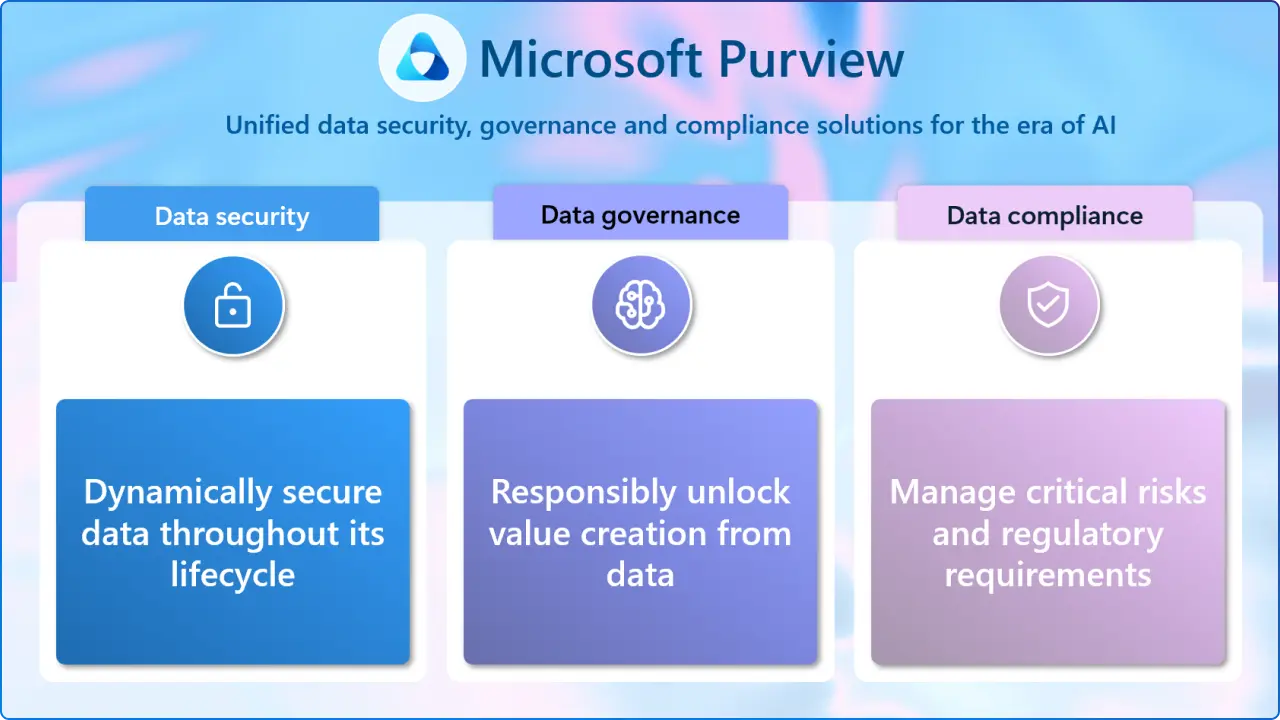
Lifecycle & Records. Retention labels and records provide consistent, auditable lifecycle control without relying on per‑site settings.
Sensitivity & DLP. Sensitivity labels protect content wherever it travels; Purview DLP enforces usage policies across SharePoint, OneDrive, and Teams.
Discovery & Audit. Modern eDiscovery and Audit streamline investigations and legal response while improving traceability.
What does SharePoint Online’s retirement change for records?
It moves you from In‑Place Records/IMP to retention labels and Records Management in Microsoft Purview, delivering immutability, disposition, and better auditing.
Do we need Microsoft Purview to modernize?
Yes, Purview is the modern control plane for retention, records, sensitivity, DLP, eDiscovery, and audit across Microsoft 365. It consolidates and standardizes governance.
How are retention labels different from In‑Place Records?
Labels apply consistently at scale (including auto‑apply), support record declaration, and provide stronger, reportable lifecycle controls than classic site‑level features.
What is a container label and when should we use it?
A container label applies at the workspace (SharePoint site/Team), enforcing sharing and device access controls that complement content‑level labels, ideal for sensitive areas like Legal or M&A.
What’s the first step to get ready?
Inventory where you still depend on classic features, prioritize high‑risk sites, and pilot retention and sensitivity labels to validate your modernization path.
In Week 2, we’ll walk through step‑by‑step guidance to review legacy feature usage, identify gaps against your compliance goals, and produce a prioritized backlog for migration and policy rollout.
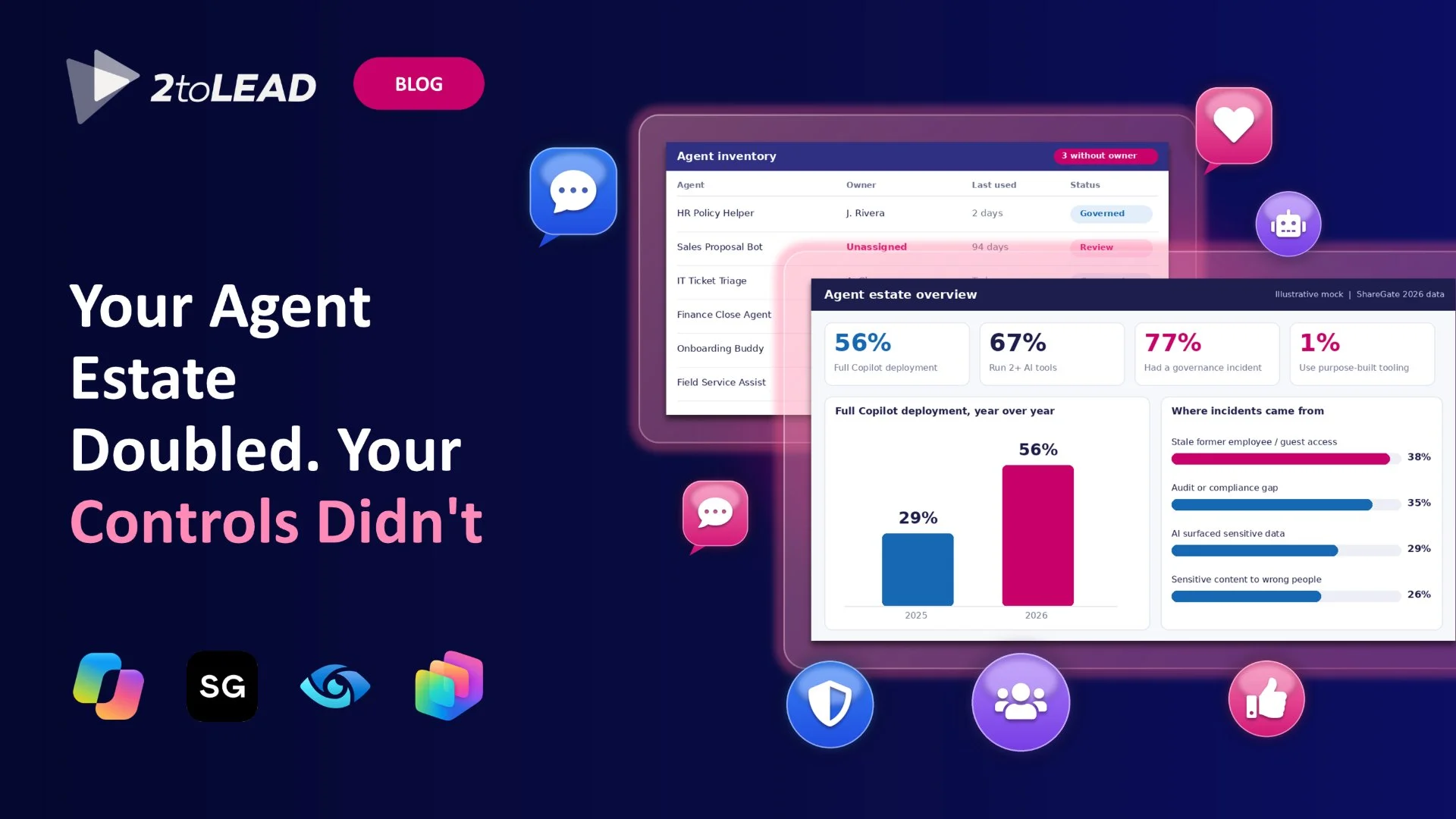
Copilot can surface what people shouldn't see. Three ways we help:
A professional organization built a Purview-based foundation for secure AI adoption with 2toLead.
Read the case study →


Join Our Newsletter