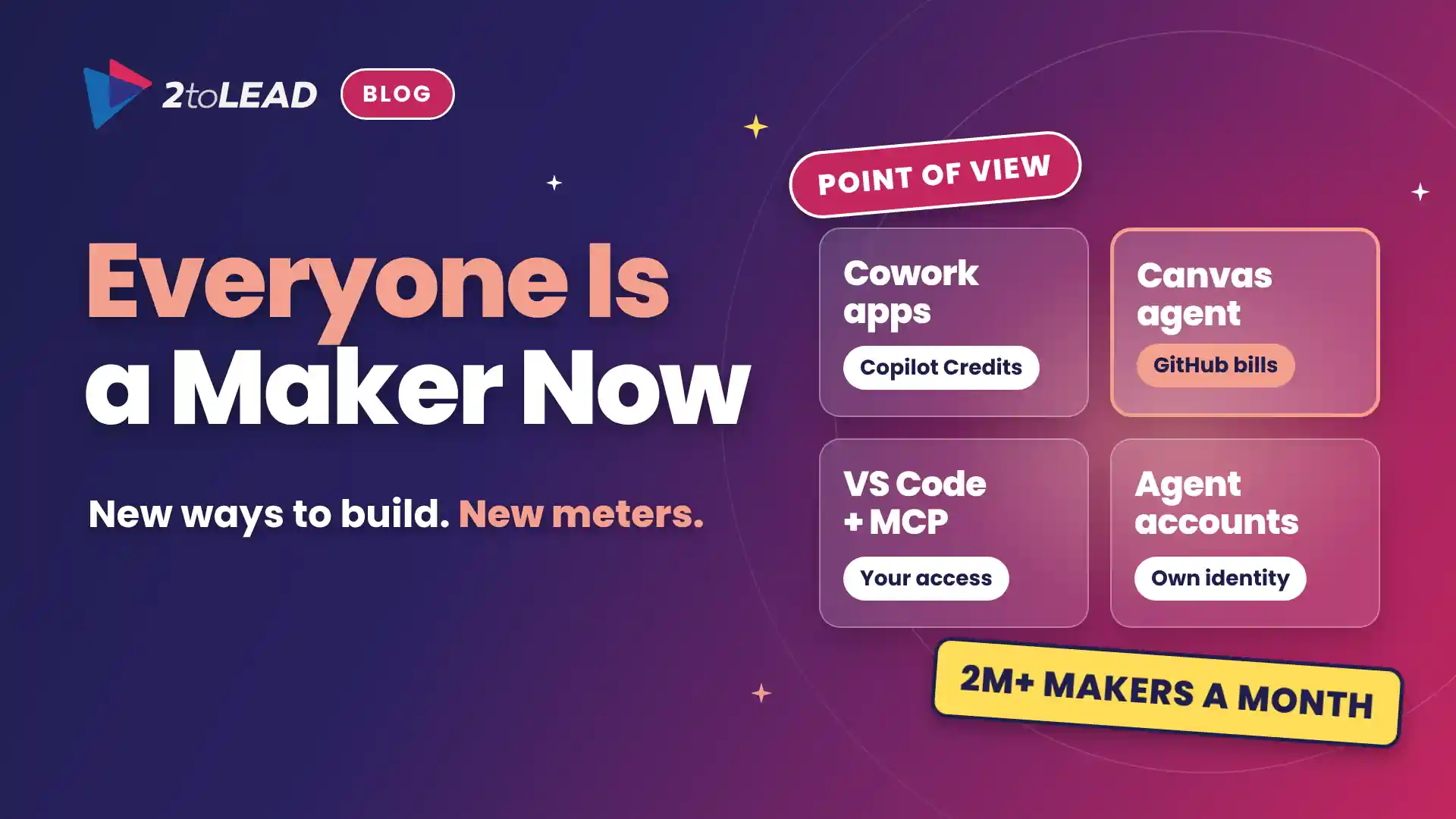
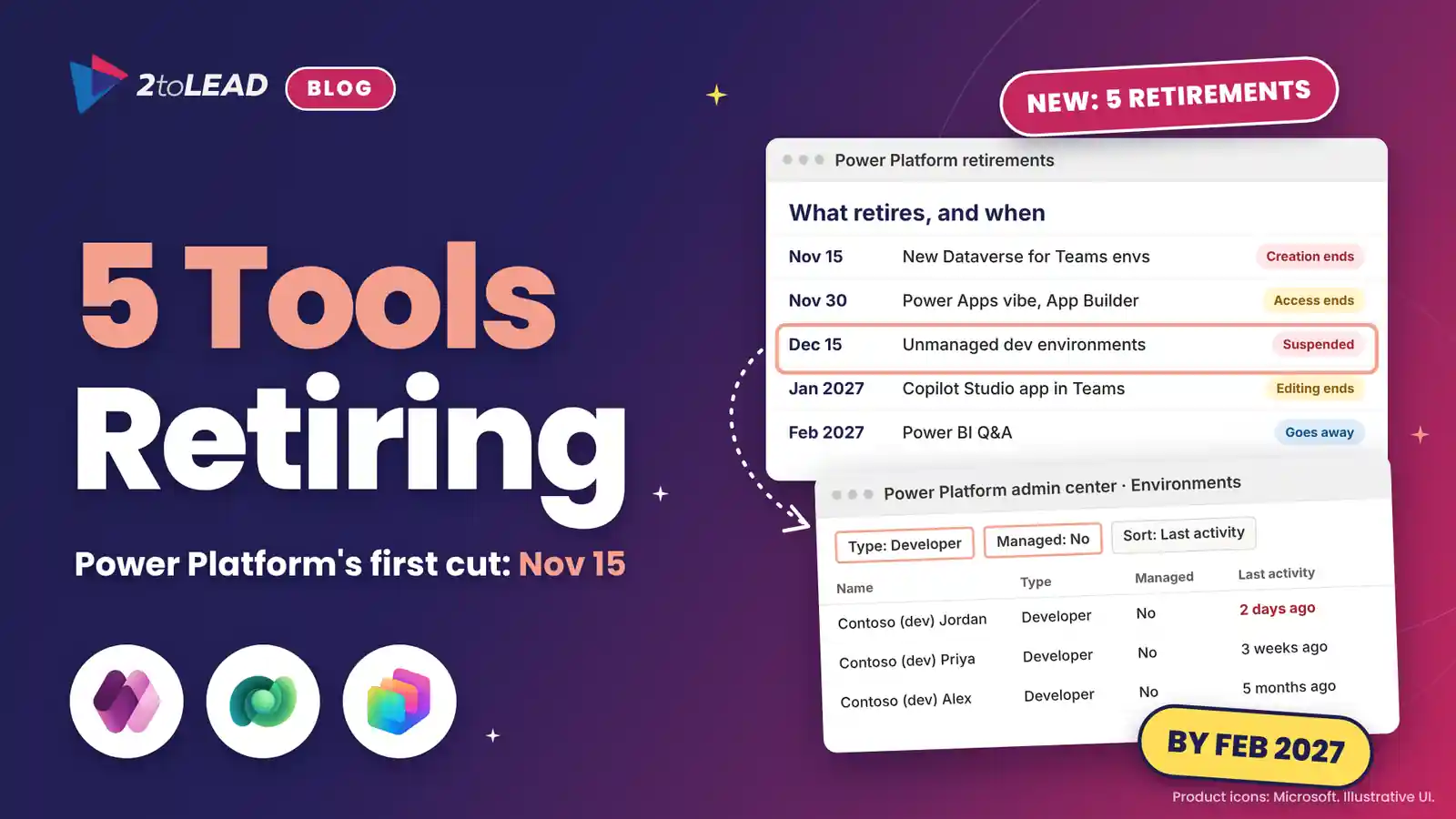
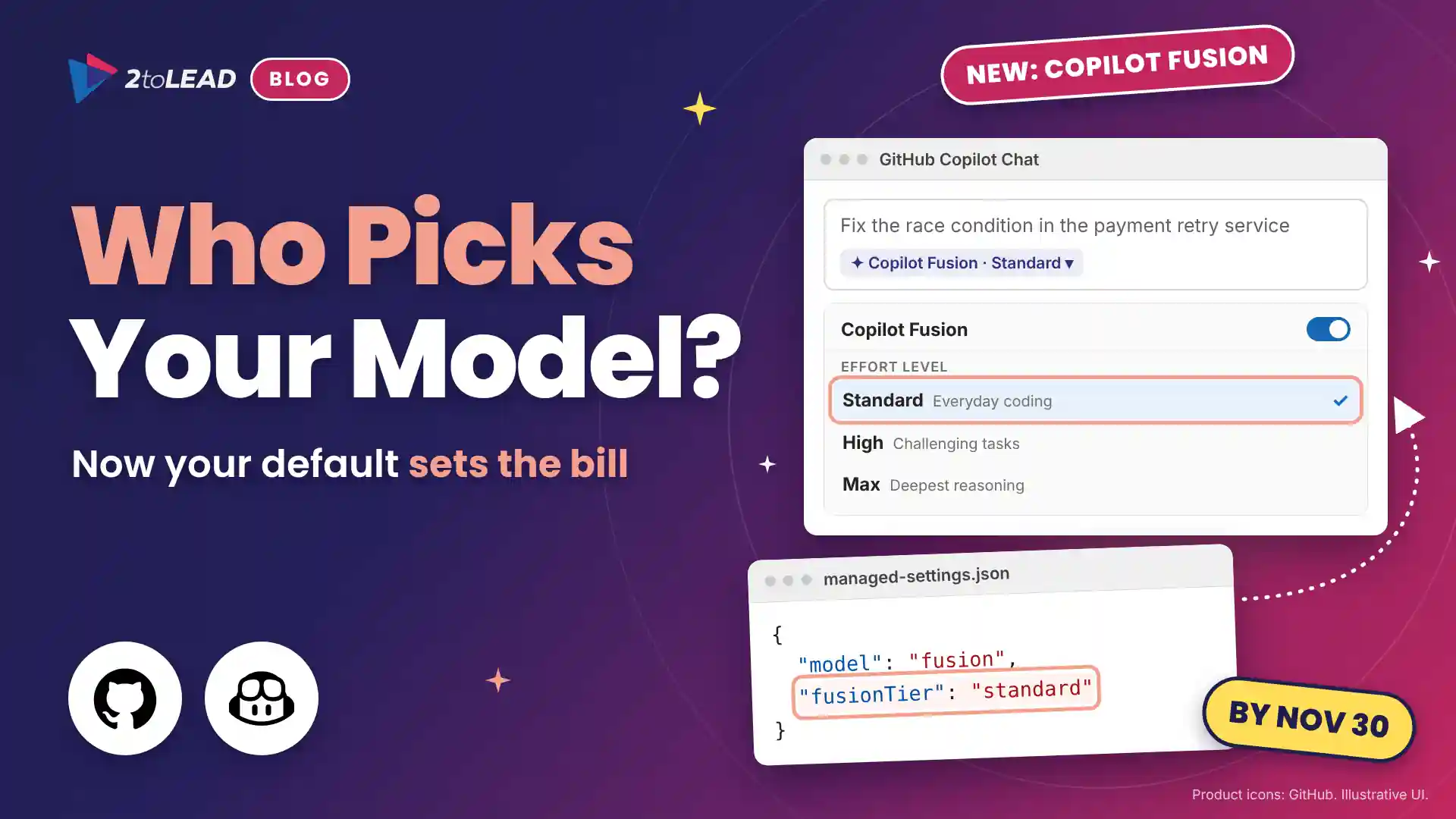
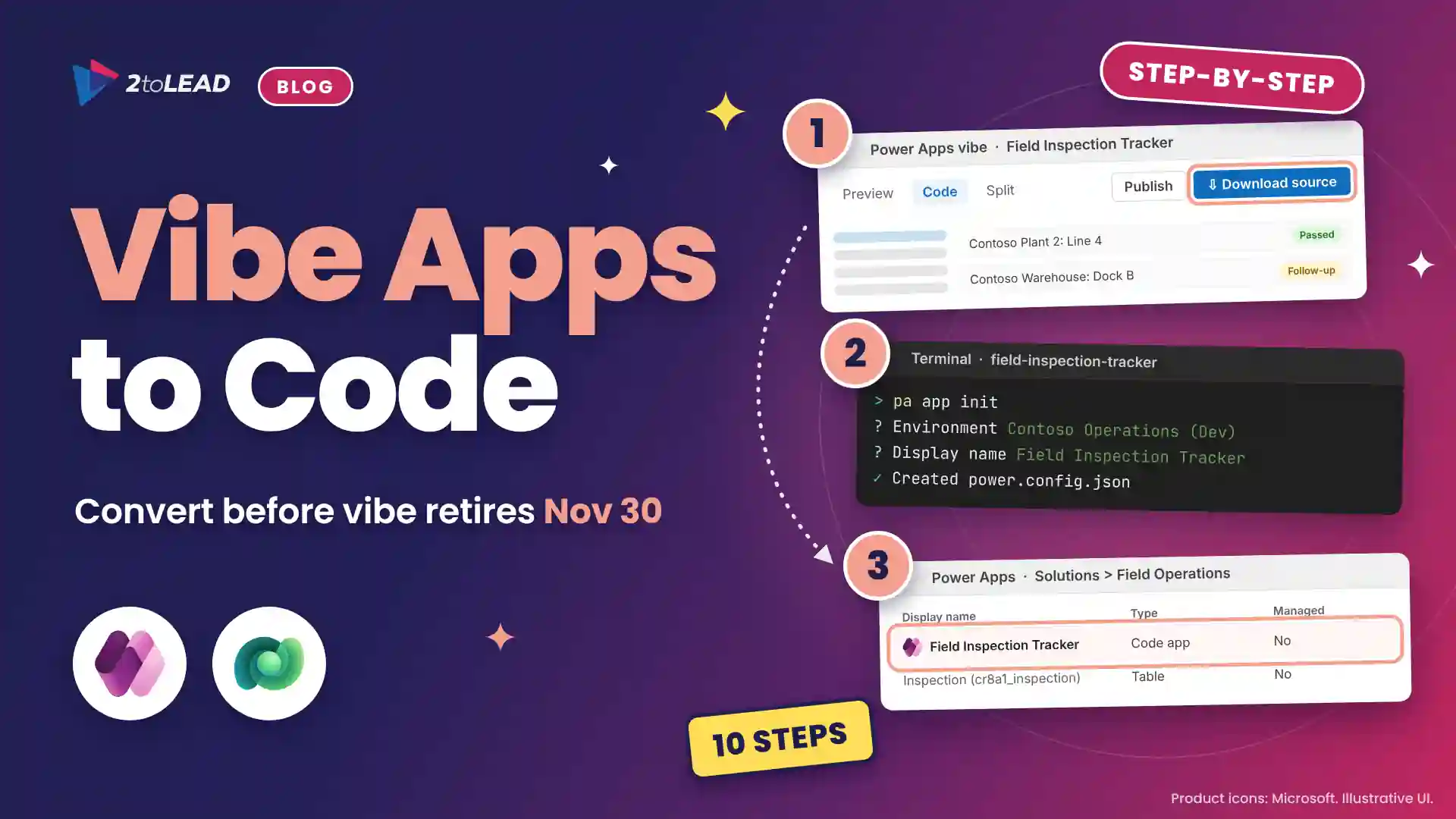
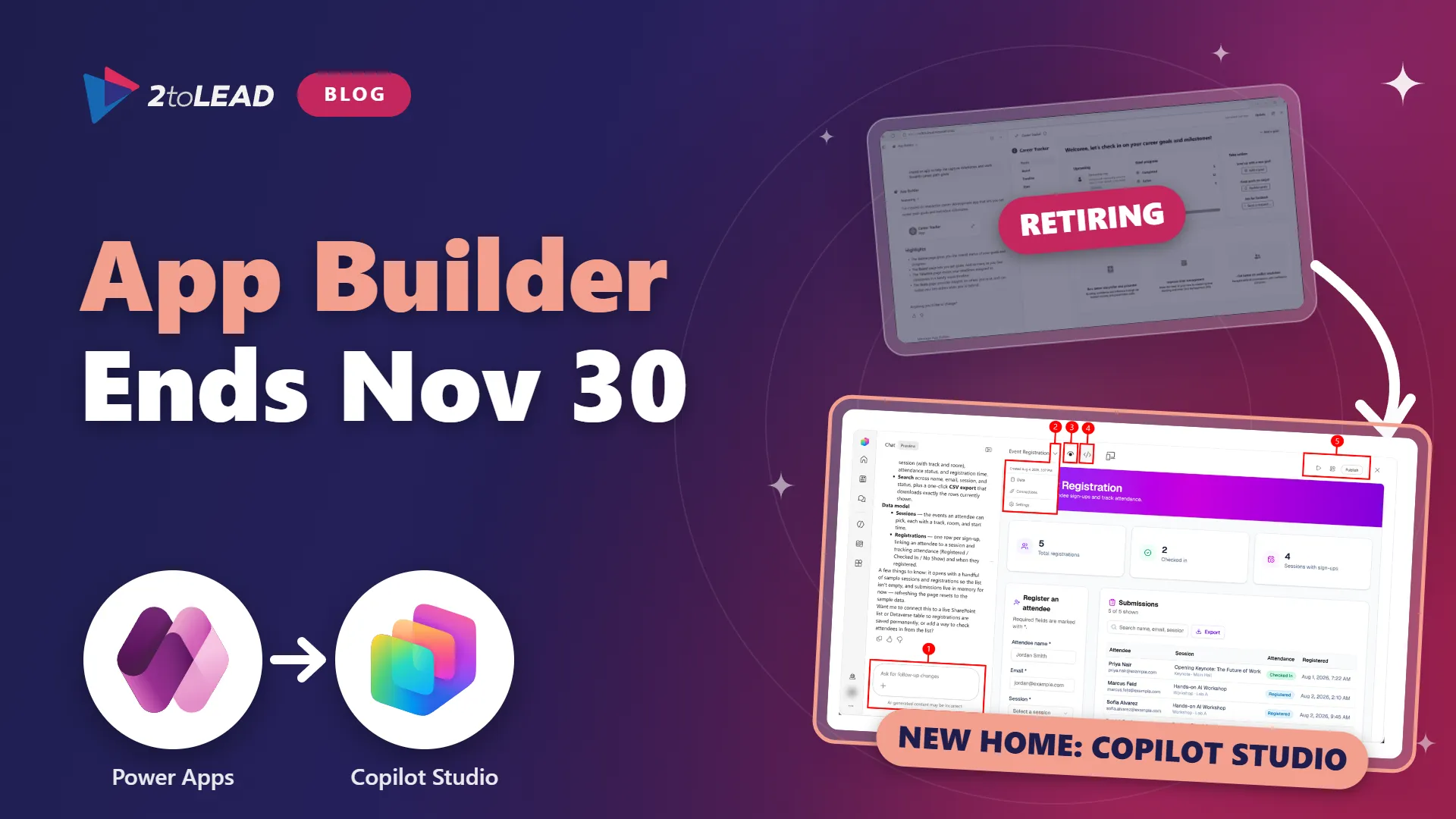
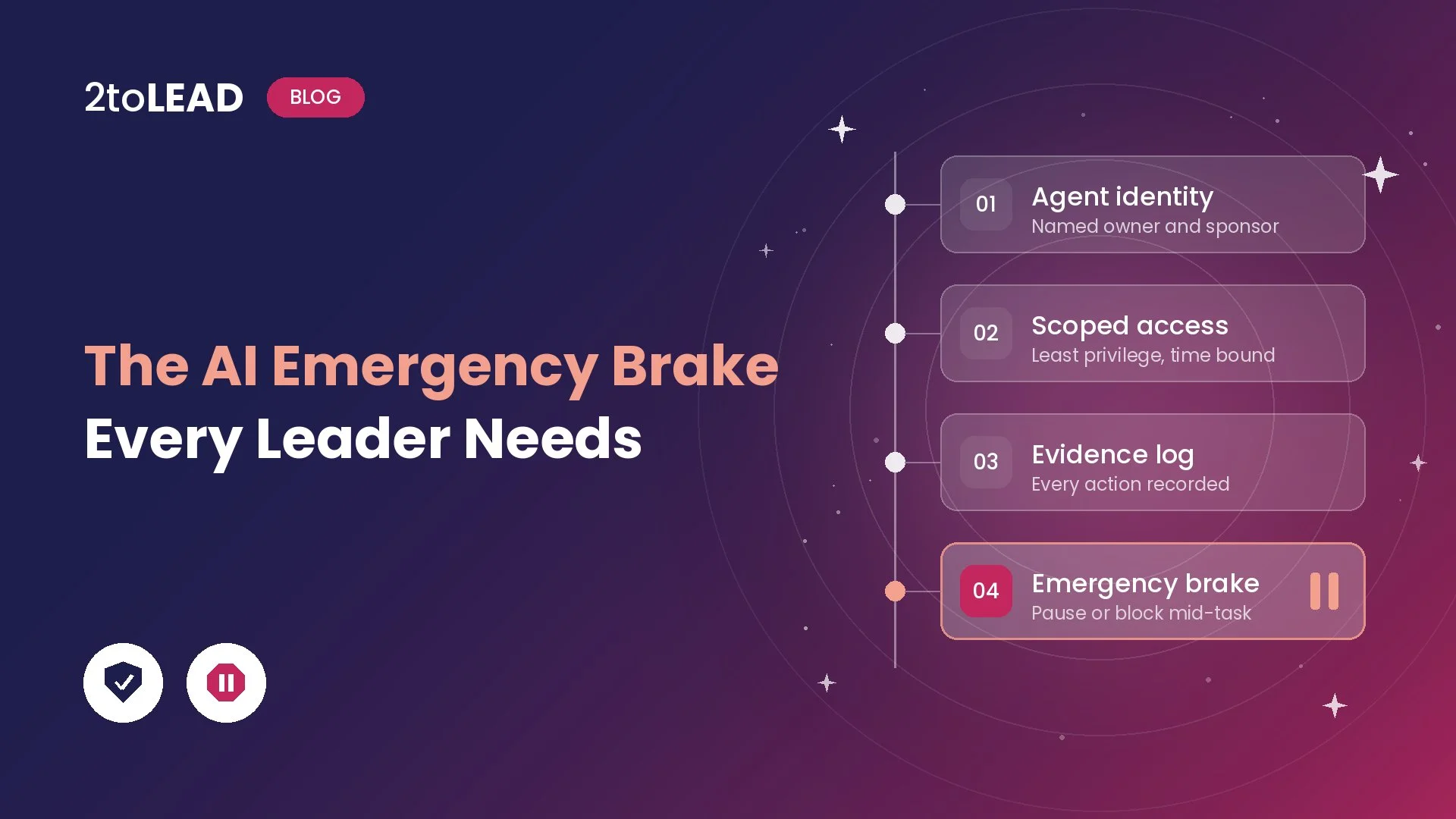
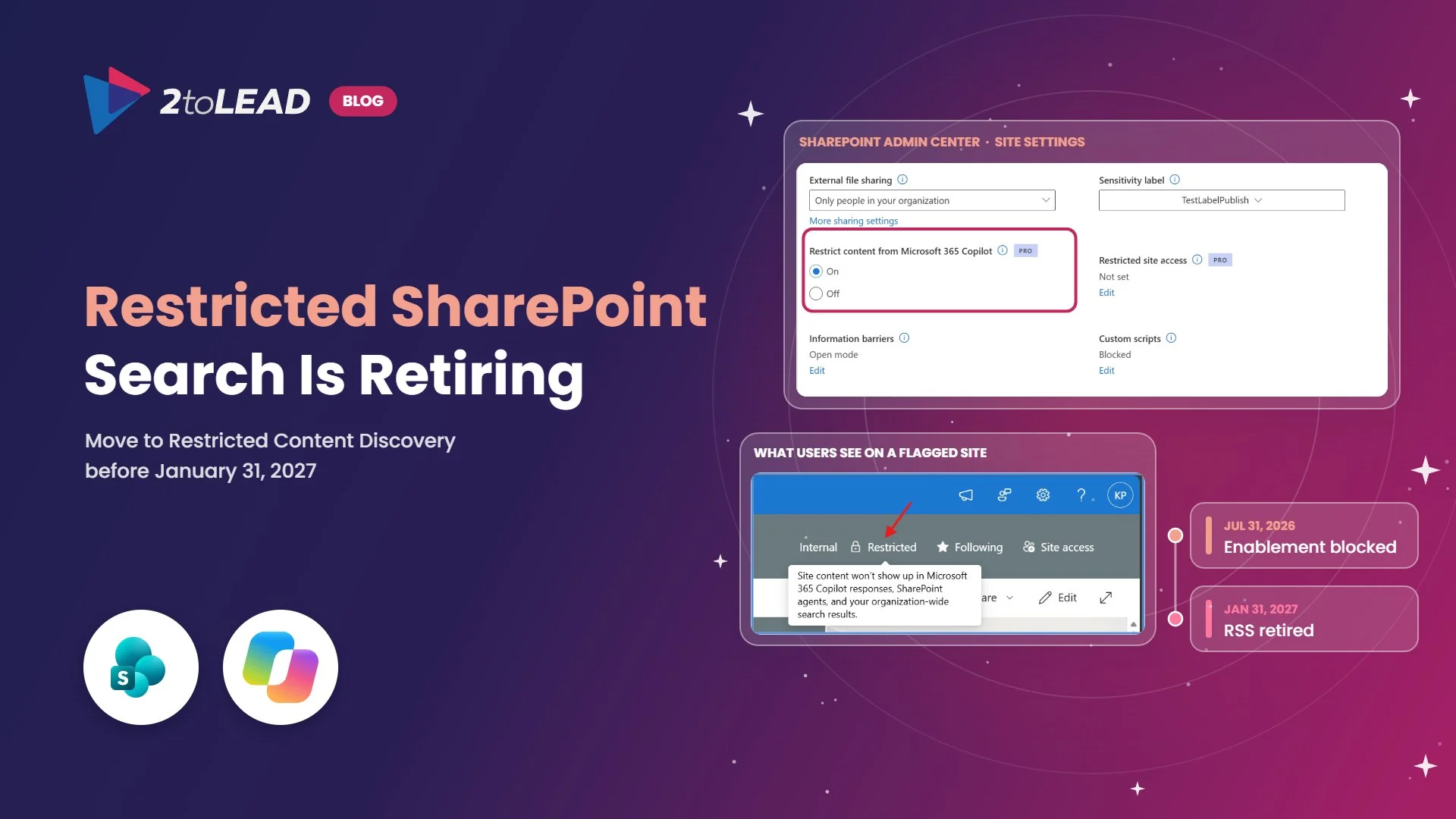
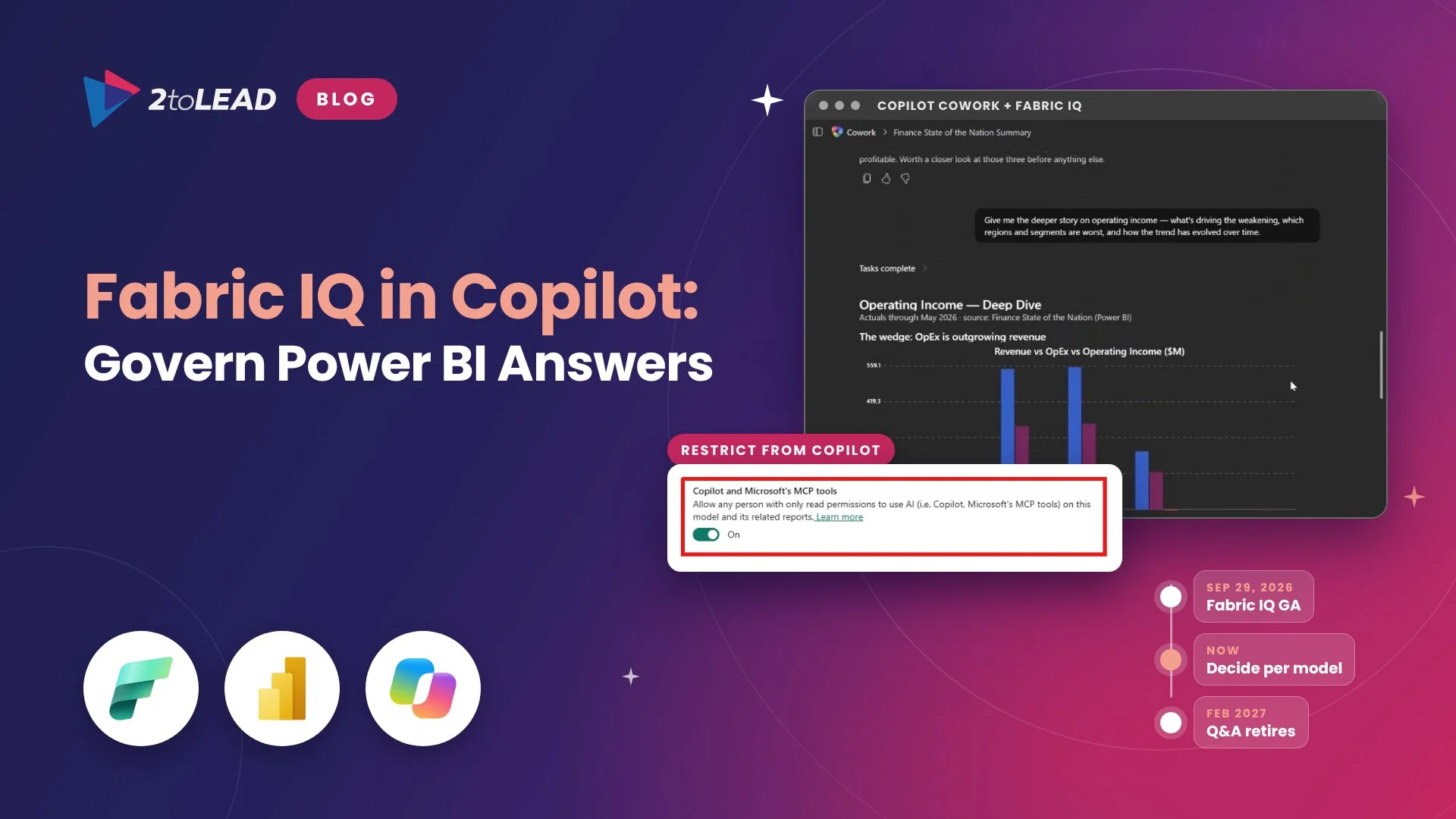
Copilot Studio now builds apps, workflows and agents in one place. What changed, how Copilot Credits billing works and the guardrails to set up now.
TL;DR: Microsoft's September 2026 Copilot Studio update lets makers build apps, workflows and agents in one studio. Apps and Copilot Managed Runtime are in public preview, while Foundry IQ grounding and the Review panel are generally available. This changes how solutions get built and how they get billed, because building and running these solutions draws on Copilot Credits. With usage-based billing turning on by default for new Microsoft 365 Copilot Business licenses purchased through partners between January and March 2027, the time to set guardrails and value measures is now.
Updated November 14, 2026: Microsoft moved the usage-based billing default for new Copilot Business licenses bought through partners from December 1, 2026 to January to March 2027. This article reflects the new timing.
For years, solving one business process in the Microsoft stack meant juggling separate tools. A form lived in Power Apps, the approvals ran in Power Automate, and the conversational help came from a separate bot. Each piece had its own maker, its own permissions and its own budget line.
That separation is ending. Copilot Studio now brings the interface people use, the deterministic workflow the business relies on, and the agent that reasons through exceptions into one place. Microsoft frames it as one studio for building the business.
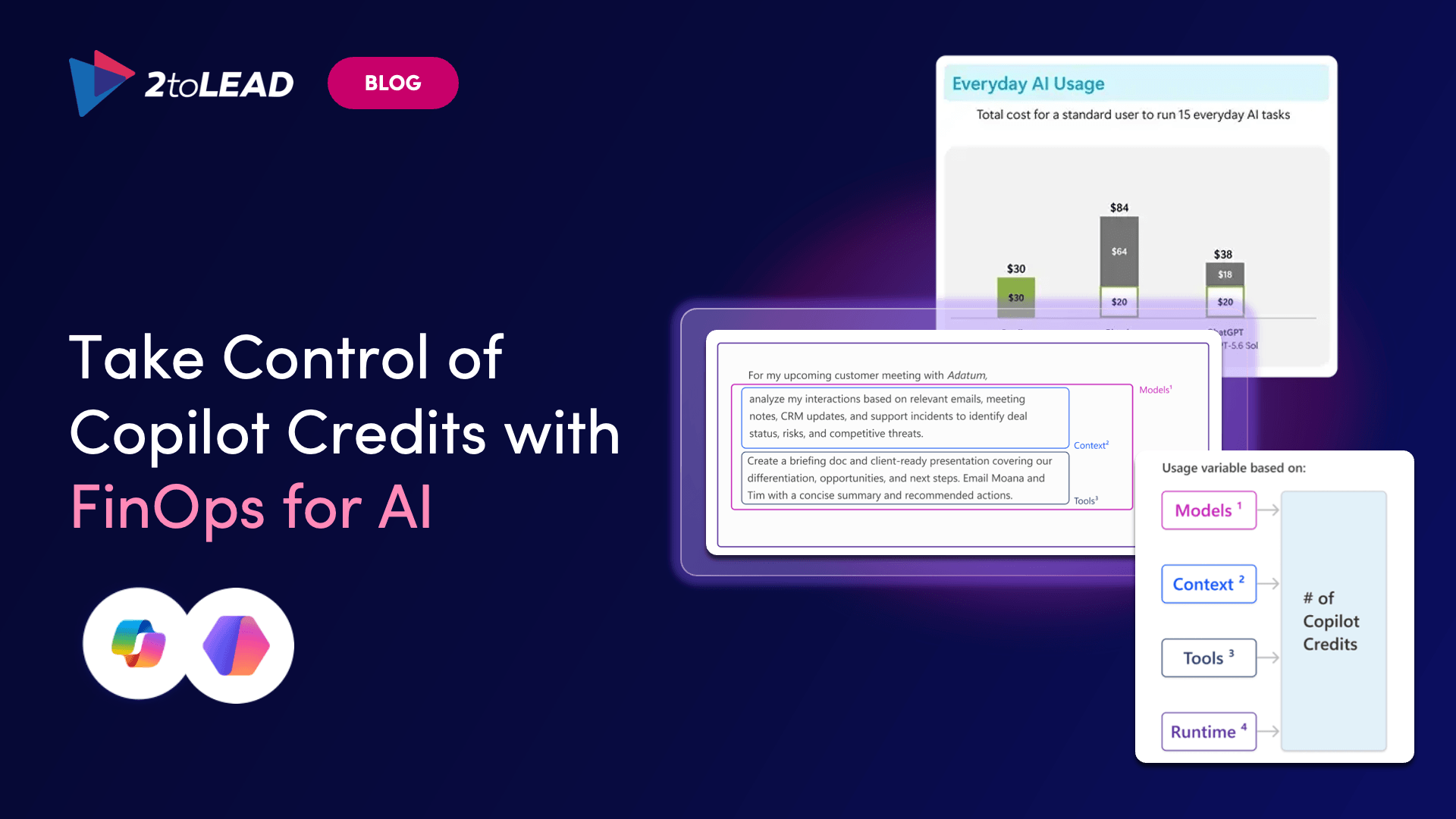
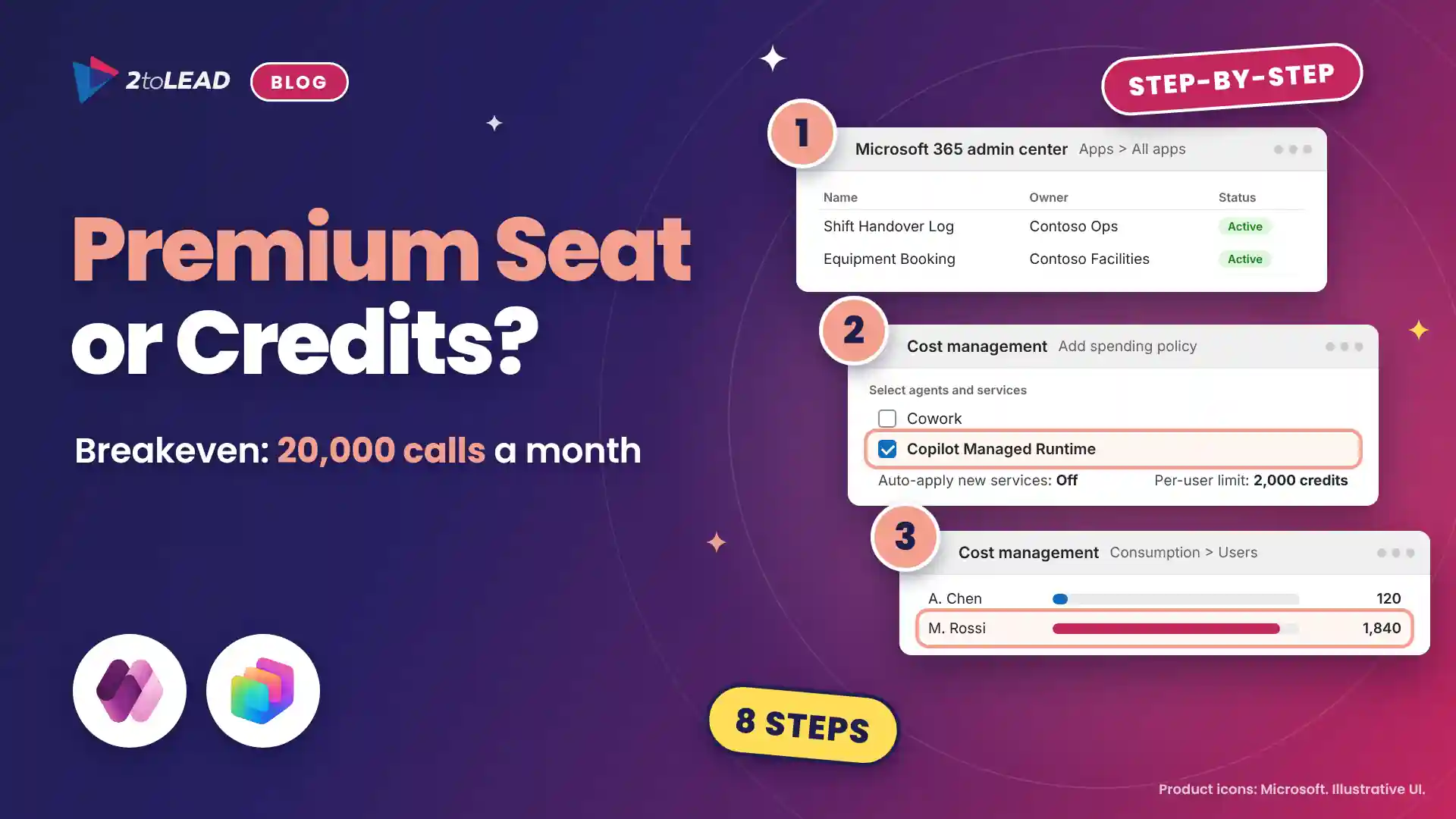
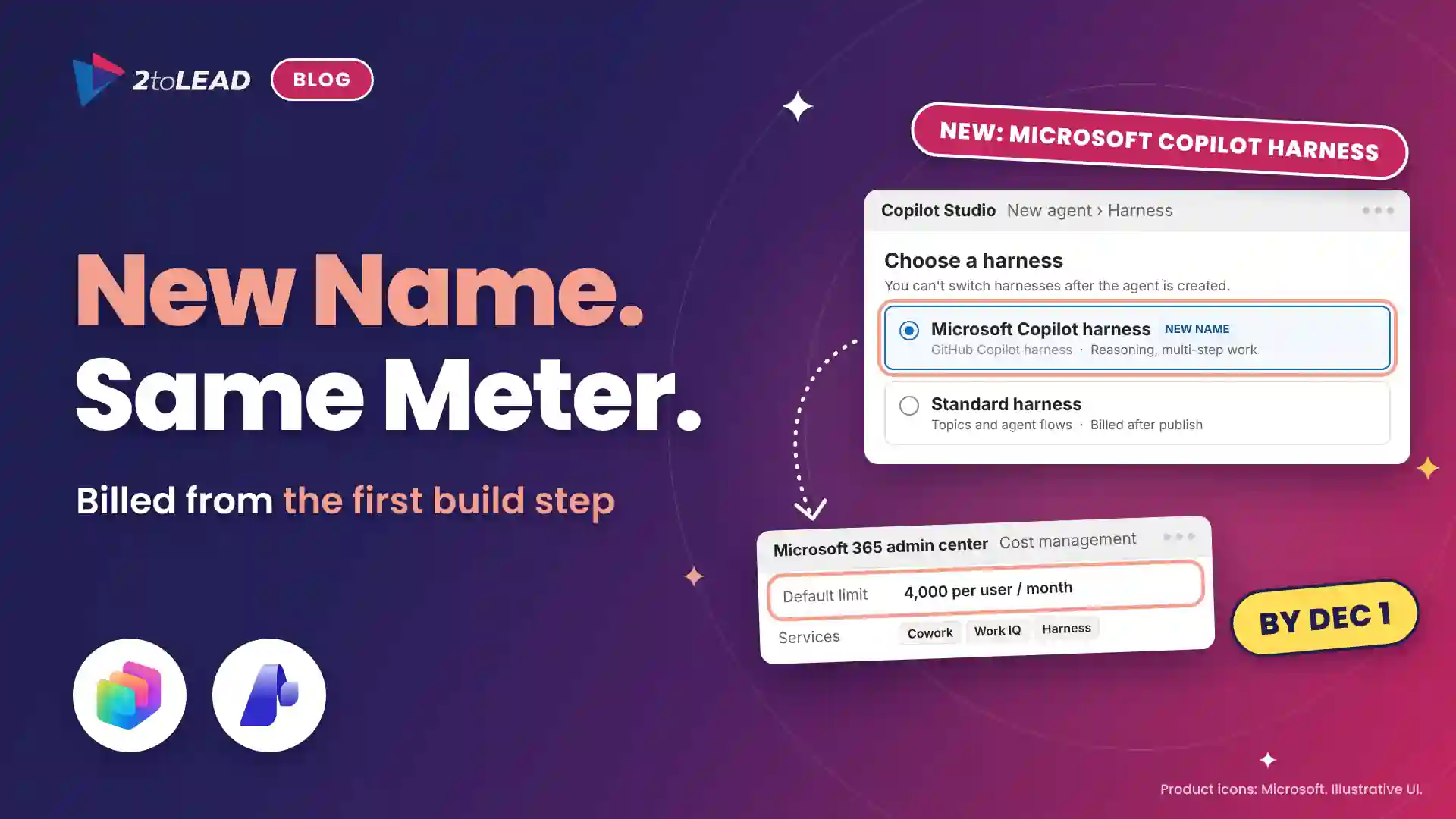
The timing matters. New Microsoft 365 Copilot Business licenses bought directly from Microsoft default to usage-based billing starting October 19, and new licenses purchased through Cloud Solution Provider partners follow between January and March 2027, with a default limit of 4,000 Copilot Credits per user per month. The same credits fund much of what makers will now build in Copilot Studio. Organizations that decide who builds, what gets measured and what it may cost before then will scale with confidence. Organizations that wait will be reading the bill to find out what got built.
The September 2026 update, published October 7, adds a new building block and several controls that make agents more predictable in production.
Swipe horizontally to see each capability, its status and what it means.
| Capability | Status | What it means for you |
|---|---|---|
| Apps in Copilot Studio | Public preview | Makers describe an outcome, users, data and actions in plain language, and Copilot Studio drafts a working app they can refine, with the code still available for deeper changes. |
| Copilot Managed Runtime | Public preview | Microsoft hosts the apps people build, with identity, governed data access, lifecycle management, Git-backed versioning and central visibility. |
| Hooks | Preview (GitHub Copilot harness agents) | Run required logic every time at set points in an agent run, such as session start, before or after a tool call, and on errors. |
| Foundry IQ integration | Generally available | One governed knowledge base can ground many agents, with citations and private networking support. |
| Expanded evaluations | Rolling out | New graders for task completion, tool accuracy, safety and latency, a reusable custom grader library, and an Evaluation Viewer role for business reviewers. |
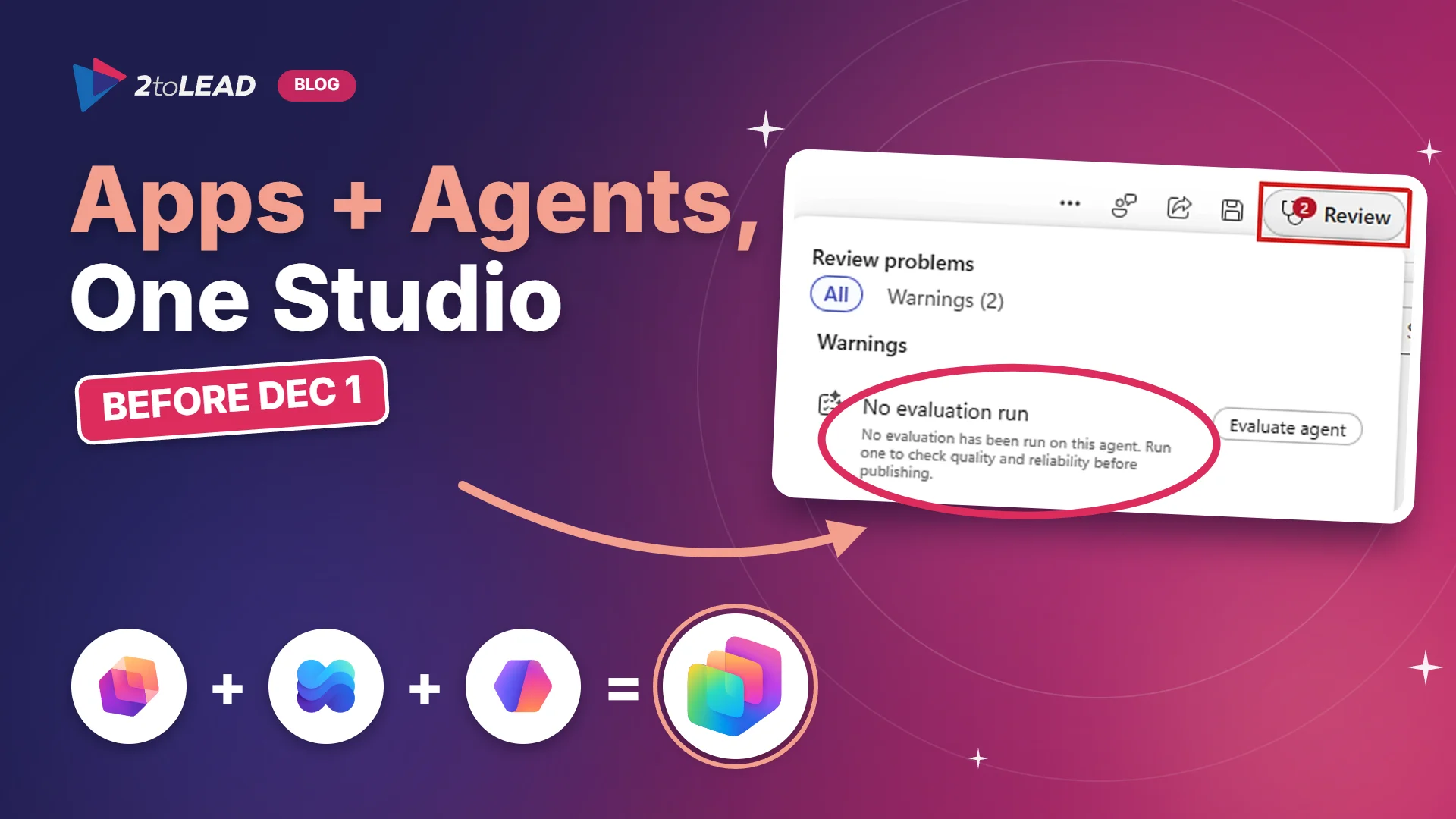
| Review panel | Generally available | Flags blockers, missing evaluations and policy restrictions while an agent is being built, before anyone selects Publish. |
| Plugin registry | Rolling out to Copilot Studio over the coming weeks | A central catalog of skills, connectors and agents that admins can discover and govern in one place. |
The headline is apps, but the controls deserve equal attention. Hooks, evaluations and the Review panel are what turn a promising prototype into something an IT leader can sign off on. If you are still choosing which harness your agents should run on, our Copilot Studio harness decision guide explains the trade-offs, since apps and hooks both rely on the GitHub Copilot harness.
Because the question your makers ask changes. It used to be which tool should I use? Now it is which building block fits each step of this process?
Microsoft's own example is employee onboarding. An app gives managers and new hires a structured interface. A workflow runs the steps that must happen the same way every time. An agent answers questions, handles exceptions and adapts when circumstances change. One process, three building blocks, one place to build and govern them.
That shift brings three practical consequences for IT leaders.
None of this requires a large program. It requires a handful of clear decisions, made before the defaults make them for you.
Consumption billing is not a reason to slow down. It is a reason to measure. When every run has a cost, every run can also have a value, and that makes the business case easier to prove than a seat license ever was.
Start with a simple equation for each process: value per case equals minutes saved, multiplied by the loaded cost of that time, minus the credits the case consumed. For example, if an intake process saves 20 minutes per request at a loaded cost of $60 an hour, each case returns $20 of time. If the case consumes 150 credits at an assumed rate of one cent per credit, it costs $1.50. Confirm your actual credit rate, then track the numbers that matter.
Swipe horizontally to see each metric, how to measure it and why it matters.
| Metric | How to measure it | Why it matters |
|---|---|---|
| Cost per completed process | Copilot Credits consumed for the process, divided by the number of cases completed end to end | Shows whether the solution is getting cheaper as it matures |
| Task completion rate | Task Completion grader results in evaluations, plus production outcomes | Proves the agent finishes the job, not just the conversation |
| Hours returned to the business | Baseline minutes per case before launch, compared with minutes per case after | The number your CFO will ask for first |
| Exception rate | Share of cases handed to a person, tracked through hooks and telemetry | Reveals where the process or the agent needs work |
| Active use | Weekly users of the app or agent against the intended audience | Adoption is the multiplier on every other metric |
Two habits make these numbers credible. Capture a baseline before launch, because you cannot prove improvement without one. And review cost and value together each month, so a growing credits line is always read next to the hours it returned. For a fuller measurement framework, see Copilot adoption metrics that prove value.
Watch the governance side of the ledger too. Our analysis of why agent estates are growing faster than controls shows what happens when building scales and oversight does not. The same inventory that keeps you safe is the inventory that proves your return.
No. Power Apps remains available and fully supported. Apps in Copilot Studio give makers a new, conversation-first way to build an app as part of a broader solution that includes workflows and agents. Choose based on the process, the makers involved and your licensing.
Building uses Copilot Credits. According to Microsoft's licensing guide, running an app built in Copilot Studio follows Copilot Credits usage-based billing by default, and it is included for users who hold Power Apps Premium licenses, subject to existing request limits. Check the current licensing guide before you budget, because preview terms can change.
Some are. Foundry IQ integration and the Review panel are generally available. Apps, Copilot Managed Runtime and hooks are in preview, so treat them as pilot material with a clear exit plan rather than the foundation for critical processes today.
A workflow defines the logic to execute. A hook decides when that logic runs during an agent's session, such as at session start, around a tool call or after an error. Use both when a step must happen every time inside an otherwise flexible agent.
2toLead helps organizations turn Copilot Studio capability into governed, measurable outcomes. Our Microsoft MVP team can help you:
Explore more practical guidance in the 2toLead Insights hub, or talk to our team about your Copilot Studio governance plan.
No hype. Just practical, governed AI that actually gets adopted.
Agent ideas everywhere, nothing in production? Three ways we help:
A regulated health system turned its legal contract playbook into a governed Copilot agent that reviews real contracts every day.
Read the case study →Copilot can surface what people shouldn't see. Three ways we help:
A professional organization built a Purview-based foundation for secure AI adoption with 2toLead.
Read the case study →


Join Our Newsletter